


















































What are nodes in crypto: the basic structure and how node running works
Nodes are one of the fundamental parts of any blockchain.Nodes — are one of the fundamental parts of any blockchain. Put simply, a node — is a computer or server that helps the network operate, stores part or all of the blockchain history, and relays data between other participants in the network. It is nodes that make a blockchain decentralized: even if half the world goes offline, the network will keep running thanks to the remaining nodes in other parts of the world.
Some projects reward participants who run nodes with coins of their future token. This forms the classic node running — participating in test networks with the expectation of receiving a reward.
How nodes work in a blockchain
A node has several key tasks:
- to store the history of the blockchain: transactions, blocks, and information about the state of the network;
- to verify the validity of transactions and blocks before adding them to the blockchain;
- to relay data to other nodes;
- to protect the network from failures: if some servers go down, the others keep working.
Simply put, a node — is an autonomous unit that helps keep the entire network up and running.
Consensus — is a set of rules and algorithms that govern how network participants and nodes operate. Today, two consensus mechanisms are used most often:
- PoW (Proof of Work) — the network relies on the computational power of hardware;
- PoS (Proof of Stake) — the security of the network is provided by a combination of hardware and tokens in staking.
In both cases, without nodes the network simply does not exist.
Nodes as a way to earn: why it works
When a project launches or goes through a testnet stage, it needs to thoroughly test all of its infrastructure. Maintaining its own fleet of servers around the world is expensive, so part of the work is delegated to the community, and in return the team shares future tokens. It is important to understand that sometimes the reward is zero or close to it — and this is also part of node running.
Types of nodes: two main categories
Today we can distinguish two major directions: full-fledged server nodes and browser nodes that are launched directly from the user’s device.
1. Server nodes
This is the classic setup: renting or buying a physical server, deploying a client, configuring it, and monitoring stable operation.
To enter the server-node niche, you typically need to:
- choose a suitable project;
- deploy a node on a VPS/VDS or a physical server;
- monitor the health of the node and, in case of errors, fix them or contact the team for support;
- wait for the announcement of rewards (if there are any at all).
Server nodes require technical skills and the ability to work with Linux, but there are many guides and scripts that help with setup. At the same time, it is often exactly these nodes that bring the largest rewards.
Examples of rewards for server nodes:
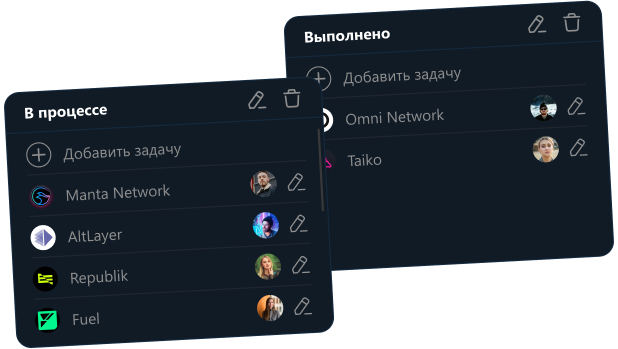
- Taiko — 500–7000 TAIKO (about $150–$1000 at listing);
- Aptos — 300–10 000 APT (from ~$2,000 to ~$190,000);
- Celestia — in 2023 they distributed 7000–8000 $TIA tokens; at the peak, the drop was valued at around $100,000.
Full nodes — are long, complex, stressful, and expensive: you may have to maintain them for years. Renting servers or buying hardware requires significant investment, and there is always a risk of ending up without any reward.
2. Browser nodes
Browser nodes — are a lightweight format: a node runs in the browser or through a light client on a PC. Even a user without technical skills can launch it.
Such nodes are often used when:
- a project needs to quickly scale a testnet;
- the team needs a pool of users around the world;
- a startup is building p2p infrastructure and a distributed network.
Usually it looks like this: the user opens a browser, launches the node, and keeps the tab active, or installs an app that runs in the background.
For example, the Grass project distributed on average about 100 tokens, which at the peak were valued at around $360.
This type of node is simpler, faster, and cheaper, but the rewards are lower than with full server nodes.
Quick comparison:
- server nodes require technical skills, VPS rental, and manual configuration;
- browser nodes can be launched in one minute and require almost no resources;
- server nodes provide true decentralization and network stability;
- browser nodes are more auxiliary and are needed to distribute the load.
The cost of running a node and the risks
If you use a home computer, the costs are minimal: electricity and hardware wear and tear. When renting a server, the cost usually starts at about $7 and can go up to $300 per month, depending on the requirements for RAM, CPU, SSD, and bandwidth.
Risks of node running
- not all testnets are rewarded;
- some test networks can last for years;
- projects can change the conditions at the last moment;
- even a rewarded testnet may bring only minimal profit.
Node running — is not guaranteed profit, but work for the future and the ability to distinguish real projects from one-off launches.
Is it worth running nodes in 2025?
The short answer: yes, but without illusions.
Nodes today — are not the “second Ethereum mining”, where every purchased rig paid off in six months, and not a “make 100k” button. Rather, it is:
- passively strengthening your portfolio with rare but large drops;
- an opportunity to get access to tokens at the very earliest stages;
- part of a broader drop-hunting strategy, not the only source of income.
Conclusion
To simplify it to a couple of sentences: node running — is a contribution to the network’s infrastructure that may be rewarded. As part of an overall strategy, it works great, but as the only direction it remains unjustifiably risky.